Personal AI, on every desk
Give each member of your team their own private AI assistant — running on hardware in your building, not in someone else's cloud.
Why run an assistant locally?
Private by default
Whatever your team types into it never leaves the machine. No cloud account, no data sent anywhere — the model runs entirely on the card at their desk.
No per-seat fees
You buy the hardware once. After that, asking it questions costs only electricity — no monthly subscription per team member.
Always available
It works even when the internet doesn't, and it never gets slower because someone else's customers are busy.
What one desk-side card can run
Same memory rule as everywhere on this site, just turned around: a card with a given amount of GPU memory can hold a model up to memory ÷ 1.2 billion parameters. GPU memory is the "workspace" a graphics card uses to hold an AI model while it runs. If a model is bigger than the available memory, it simply will not fit — like trying to fit a large book on a shelf that's too small. More in the wiki →
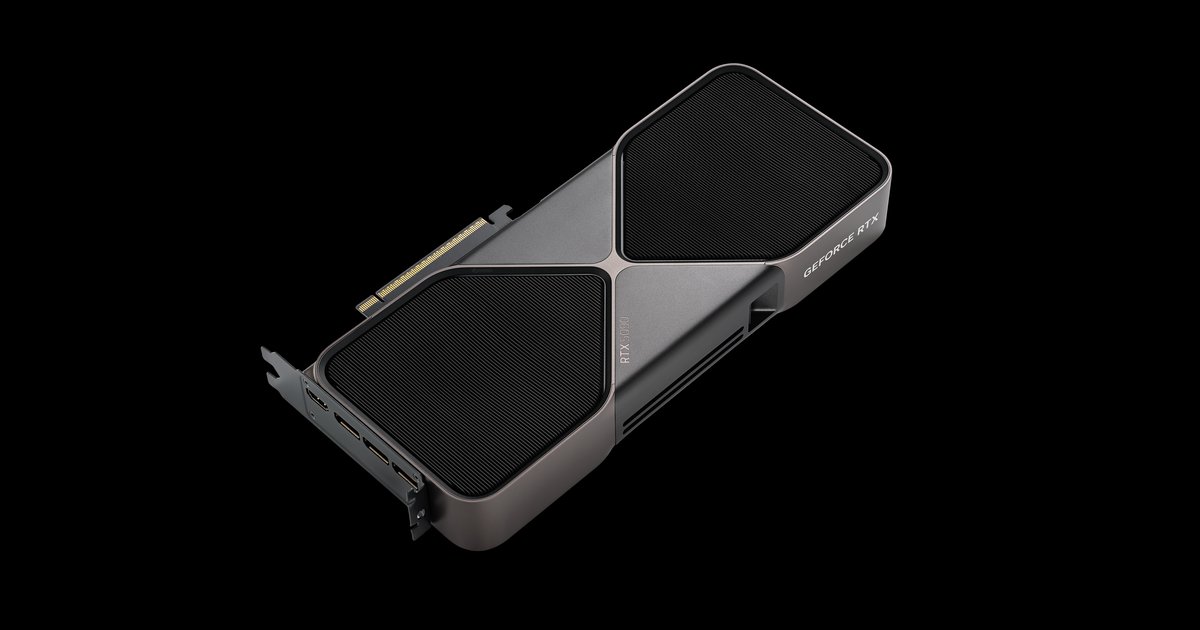
NVIDIA GeForce RTX 5090
32 GB of GPU memory ÷ 1.2 = room for a model up to about 27 billion parameters.
- $2,999 — Launch price was $1,999 (Jan 2025), but a real, ongoing GDDR7 memory shortage has pushed street prices to roughly $2,999–$5,000+ as of mid-2026. We show the low end of that current range.
- 575 W at full tilt — about 0.5 of an average home's around-the-clock draw
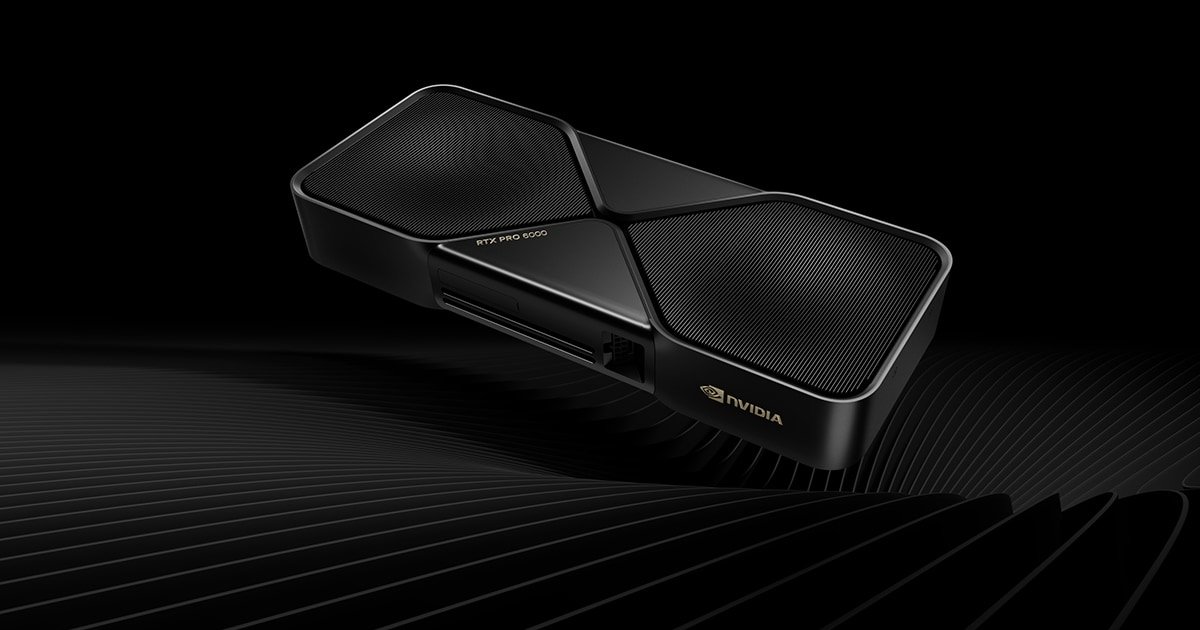
NVIDIA RTX PRO 6000 Blackwell
96 GB of GPU memory ÷ 1.2 = room for a model up to about 80 billion parameters.
- $12,500 — Launch MSRP was $8,565 (March 2025). NVIDIA raised pricing since then; current typical price is about $12,000–$13,250.
- 600 W at full tilt — about 0.5 of an average home's around-the-clock draw
Honest sizing note: the three big models this store advises on (753 to 1,600 billion parameters) need far more memory than any single desk-side card — see the model pages for what they actually take. A personal rig is for the many excellent smaller open-source models, and for a team's day-to-day drafting, coding help, and search — not for serving a frontier-scale model.
What else the desk needs
- A desktop PC with space and airflow — these are large, hot cards; a cramped case chokes them. See cooling in the wiki.
- A power supply with real headroom — the card alone can draw 575–600 W at peak, and the rest of the computer needs power too. Watts measure how much electricity something draws while it's running. More powerful hardware needs more electricity and produces more heat that has to be cooled. More in the wiki →
- System RAM and a decent CPU — they load and feed the model; they don't need to be exotic. Who does what →